There is no doubt that the reuse of water has become a priority issue at international summits on climate change or in the circular economy strategy.
As reported by Spanish Association of Water Supply and Sanitation (AEAS) at their XV National Study of Water Supply and SanitationIn Spain, approximately 268 hm³ are reused.3, about 7% of the treated and regenerated wastewater which is mainly used for agriculture and the irrigation of gardens and leisure areas, and, to a lesser extent, for industry and for cleaning sewers and/or street washing.
The treatment of water, whether for reuse or discharge to a collector, is governed by strict parameters that must be properly controlled; in order that the quality of the treated and purified water is the required by current regulations and that said water has a good ecological and chemical status.
Therefore, it is not surprising that the National Accreditation Entity (ENAC), warns of the need for companies to ensure that the results provided by their measuring equipment are correct and, therefore, of the importance of keep these instruments calibrated.
The functions of the equipment deteriorate due to multiple factors, such as the aging of its components, changes in temperature or mechanical stress that they support, and this deterioration affects the reliability of the measurements.
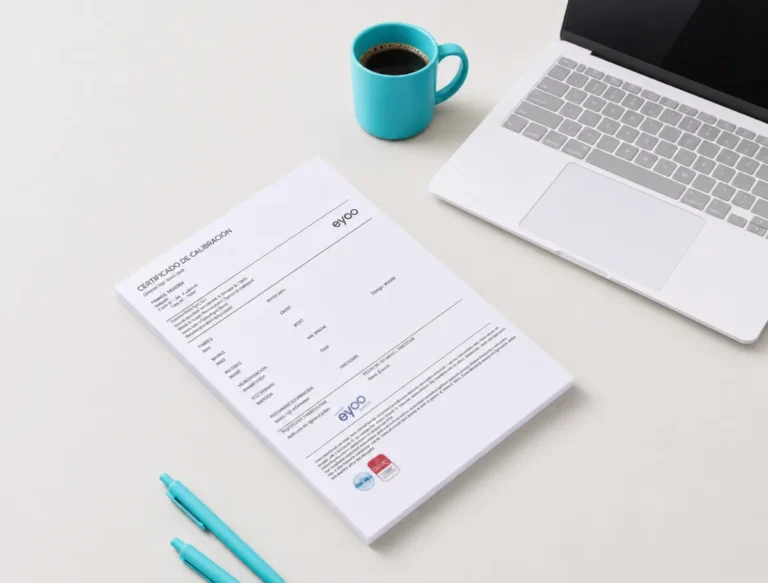
Calibration of measuring instruments by an accredited laboratory, as ENAC warns, provides the assurance that the measurements made are reliable.
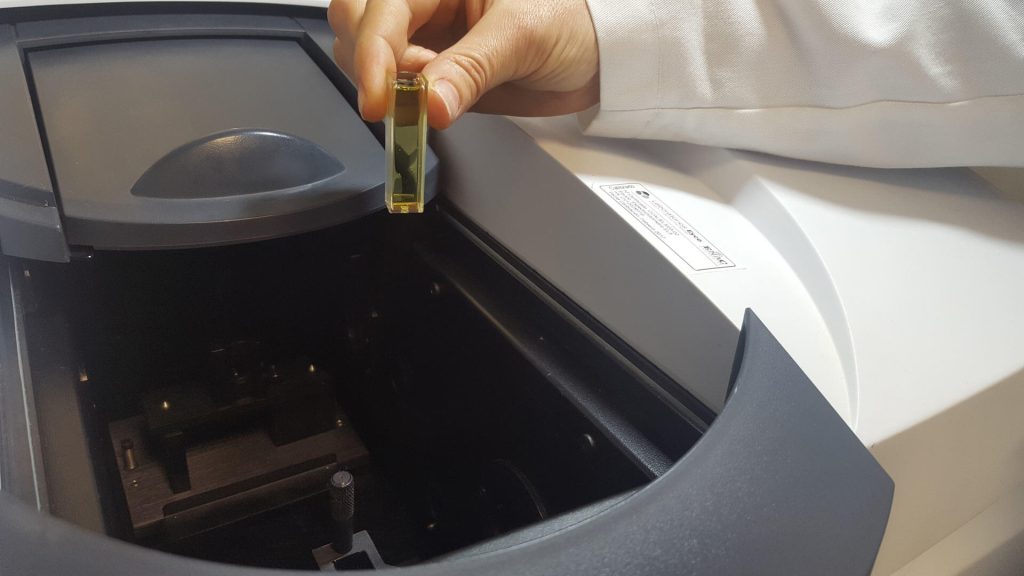
Eyco Laboratories, which works with the wastewater sector, for which it performs calibrations of filters and optical equipment such as photometers or chlorine meters, has been one of the first laboratories to adapt to the new Standard UNE-EN ISO/IEC 17025:2017Complying with the requirements of the Standard involves, among other things, demonstrating a high level of technical competence and a high degree of specialization and professional rigor.
FAQ
Why is accurate measurement essential to guarantee water quality?
An correct measurement It is the only way to ensure that the optical and physicochemical properties of water meet safety standards. Without reliable measurements, it is impossible to detect deviations in treatment processes, which puts public health and environmental safety at risk.
How does the deterioration of optical equipment affect water analysis?
The aging and miscalibration of optical components introduce progressive errors in readings. This equipment deterioration This causes a loss of reliability in the analyses, which can lead to accepting contaminated water as good or applying insufficient or ineffective purification treatments.
What role does instrument calibration play in water reuse?
La periodic calibration It guarantees the traceability and accuracy of measuring equipment. Within the framework of the circular economy, having perfectly calibrated instruments is crucial to validate that treated wastewater reaches the optimal level of purity required for its safe reuse in agricultural, urban, or industrial environments.
What advantages does analyzing and calibrating equipment under the UNE-EN ISO/IEC 17025 standard offer?
Working under the guidelines of the standard UNE-EN ISO/IEC 17025 It ensures that the laboratory has a rigorous quality management system and proven technical competence. This provides key advantages such as:
- Warranty international traceability in all measurement chains.
- Calibration and inspection results incontestable and reproducible.
- Strict compliance with regulatory requirements in the sewage treatment.
- Drastic reduction of legal and operational risks due to erroneous measurements.
Why use an ENAC-accredited laboratory like Eyco?
Count on the ENAC accreditation This certifies that Eyco operates with the highest level of technical rigor in the calibration of equipment that measures optical properties. This provides the necessary institutional and technical support for water management companies, industries, and treatment plants to demonstrate safe, transparent, and rigorous control over water quality.