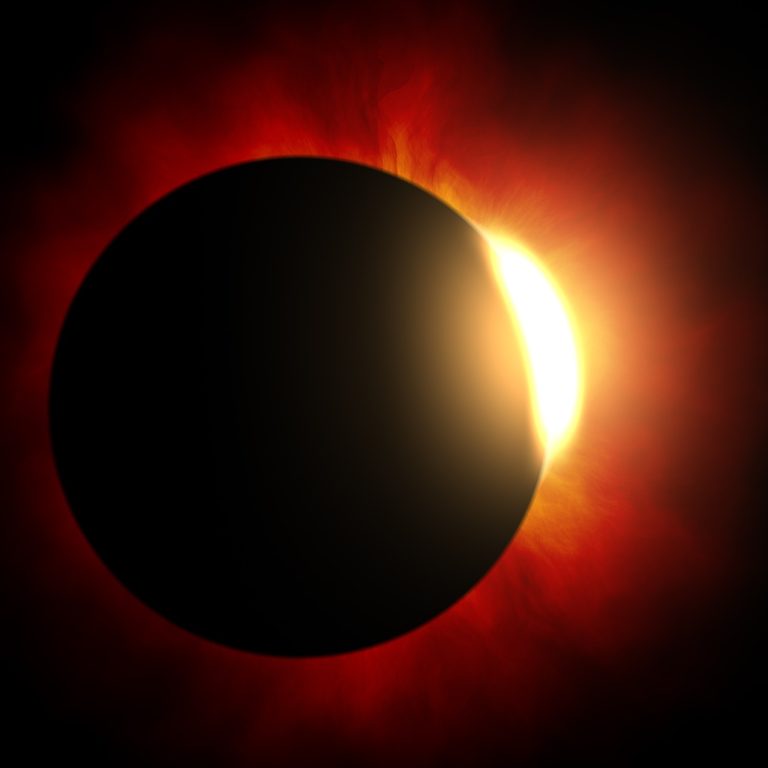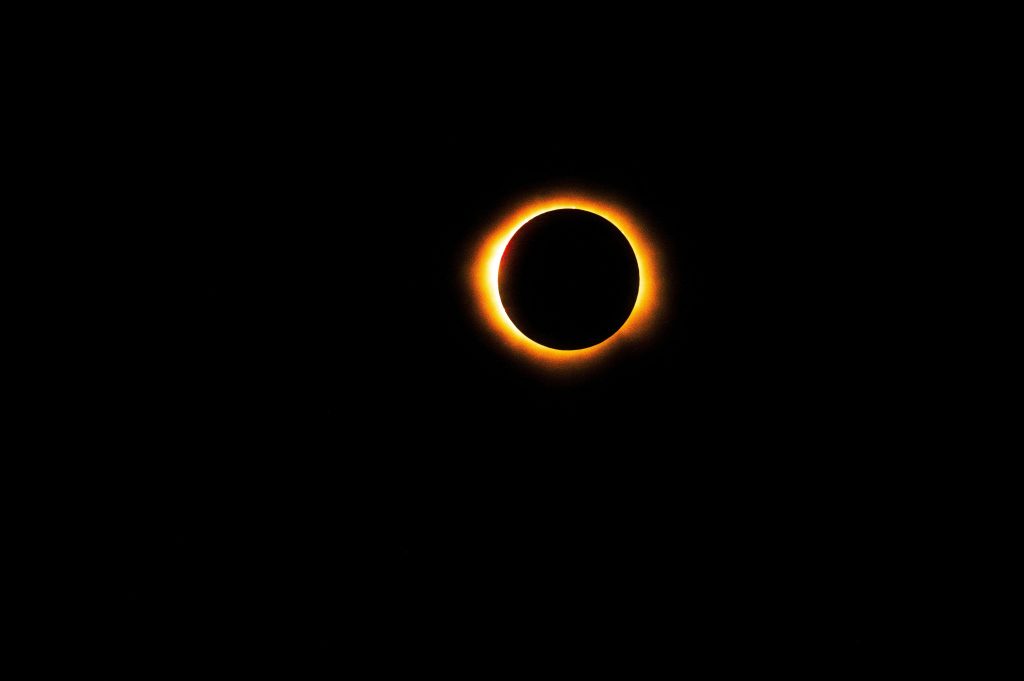
Spain is on the verge of an unprecedented astronomical milestone in recent history: the so-called "Iberian Trio of Eclipses"For three consecutive years —2026, 2027 and 2028—, our country will become the world epicenter of solar observation. The first of these events, a total eclipse crossing the Iberian Peninsula on August 12, 2026, will break a gap of almost three decades in Europe, becoming the first of the 21st century on continental soil. This will be followed by another total eclipse on August 2, 2027, visible in southern Spain, and an annular eclipse on January 26, 2028.
This display of nature offers a unique opportunity for scientific outreach, but it also imposes a significant responsibility. As we already pointed out in previous posts on our blog about the fundamentals of sunscreensLooking directly at the sun without adequate protection can cause irreversible thermal and phytochemical damage to the retina.
However, in light of this historic astronomical triptych, the approach must go a step beyond mere individual safety advice: We need to talk about metrological quality control, global risk prevention, and laboratory testing. that transform simple glasses into Personal Protective Equipment (EPI) legally suitable to save users' vision.
The institutional perspective: The document from the National Eclipse Commission
Recently, the National Eclipse Commission (a working group of the National Astronomy Commission in which the following actively participate National Astronomical Observatory and Spanish Society of Astronomy(among other scientific institutions) has published a technical reference document entitled "How can you tell if eclipse glasses are safe?".
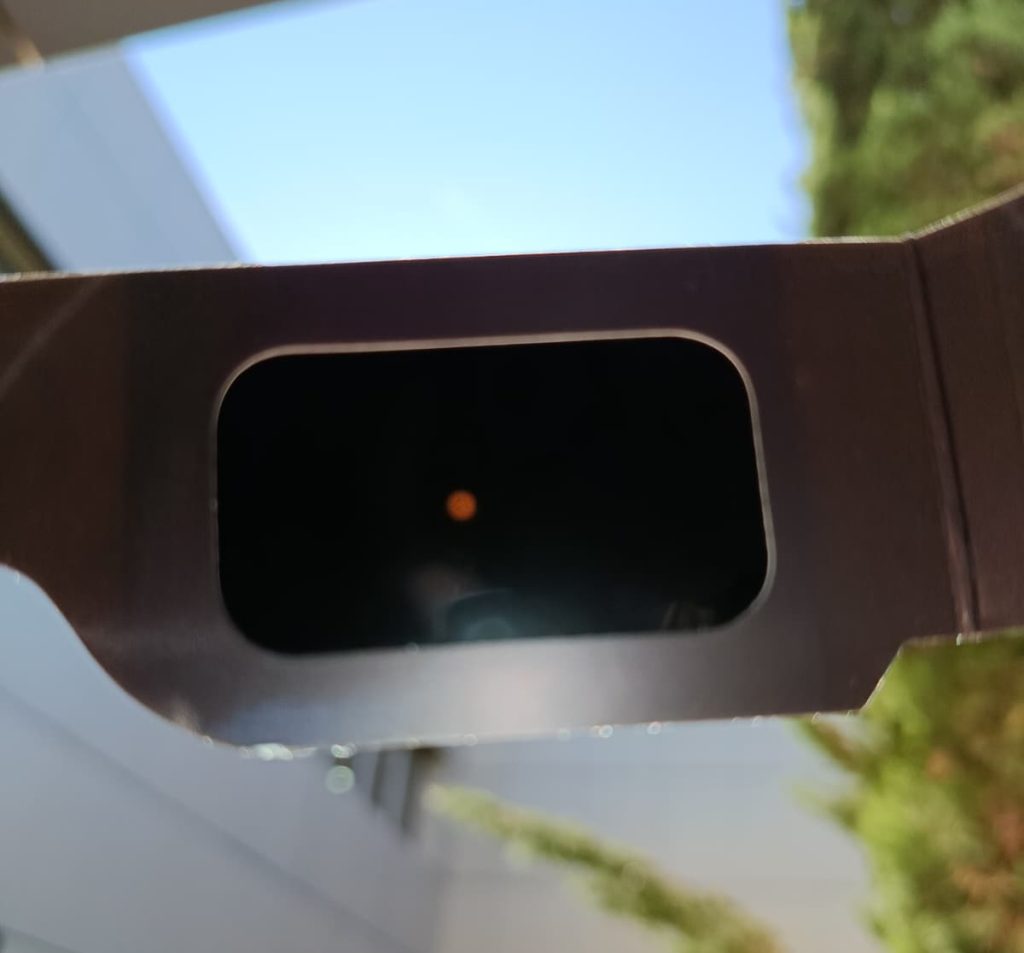
This scientific consensus report, included in the document of the National Astronomy Commission (quality_glasses_eclipse_CNE.pdf), emphasizes that Product labeling or simply printing a logo are not sufficient guarantees of protectionThe surge in demand for sunscreens in anticipation of the 2026-2028 events will significantly boost sales of observation goggles. For end consumers and purchasing institutions, the document highlights the following quick checkpoints:
- Specific registration of the standard: The inscription must be explicitly stated. «EN ISO 12312-2: 2015»If the product indicates "ISO 12312-1", it is a conventional general-purpose sunglasses, which are not suitable, but dangerous, for direct observation of the sun.
- CE marking Authentic: If they are marketed in the European Union, they must comply with the Regulation (EU) 2016 / 425 related to Individual Protection EquipmentThe Commission document emphasizes that the CE marking must be authentic and be backed by tests independent laboratories.
- Strict physical inspection: A single microscopic defect, a scratch or an area of non-uniform attenuation in the filter completely invalidates the device, as a weak point is enough to let through sufficient radiation to destroy photoreceptor cells.
Beyond the packaging: What happens inside an optical testing laboratory?
In order for a manufacturer to be able to legally print the standard EN ISO 12312-2: 2015 And the CE marking on their glasses—a mere statement of intent is not enough. Empirical support based on laboratory tests independent.
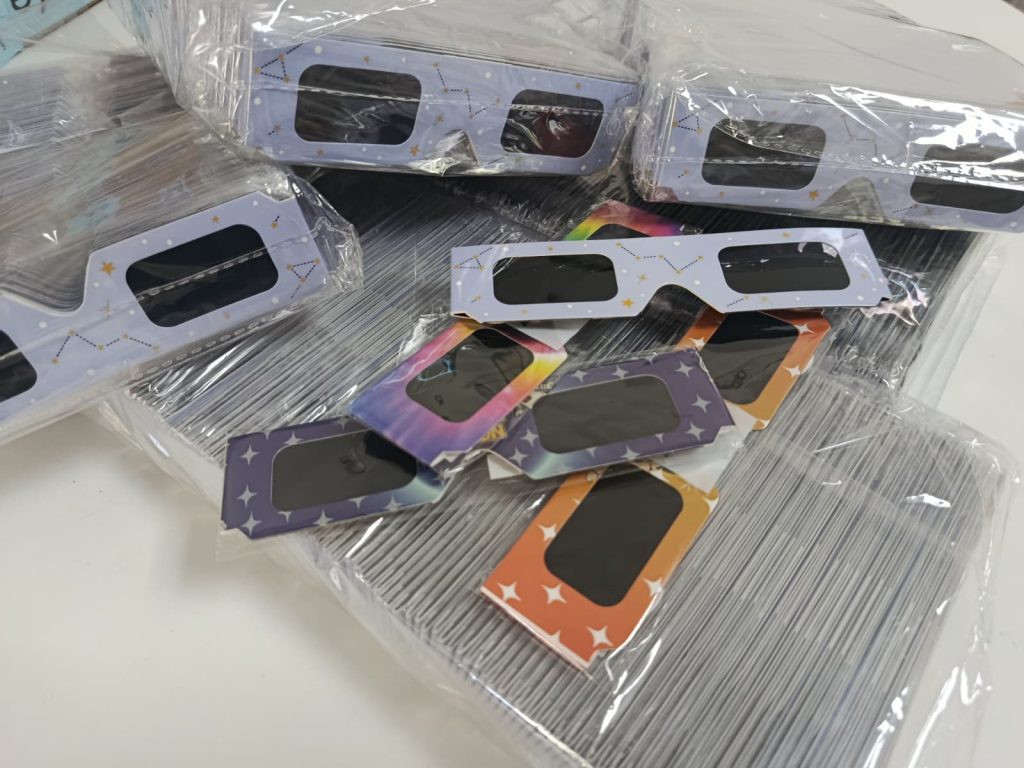
What are the physical quantities that determine the suitability of a sunscreen?
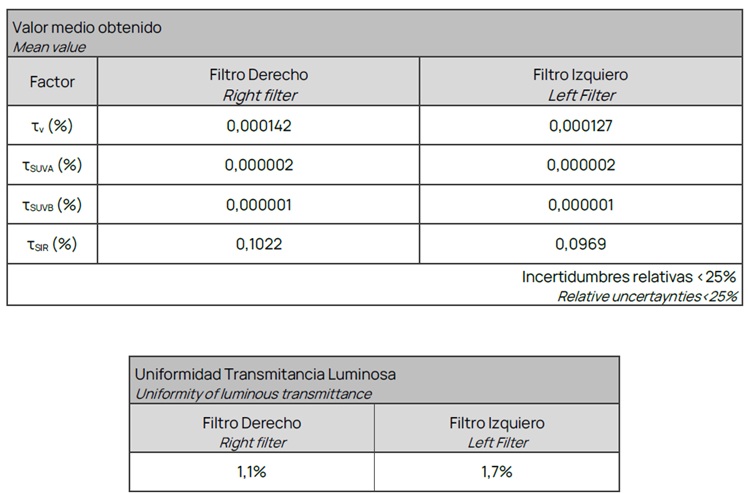
- Light Transmission (τ)v): According to the specifications of EN ISO 12312-2:2015, the transmittance limits in the visible band are extremely restrictive. The filter must block almost all light: the maximum permissible spectral transmission factor is 0,0032 %, while the minimum is 0,000061 %.
- Ultraviolet and infrared blocking: The human eye does not perceive invisible radiation, but the retina and lens cumulatively absorb UV and IR photons. Tests determine spectral transmittance in the UVA, UVB, and infrared bands so that the manufacturer or distributor can verify that energy attenuation is complete.
- Optical homogeneity and uniformity: It's not enough for goggles to provide protection at their optical center. Spectrophotometric scans at different points on the filter surface are used to evaluate whether the light attenuation is geometrically consistent. The data obtained from these tests allows manufacturers' or distributors' quality control departments to reject batches that show any deviation or lack of uniformity.
- Design integrity: The tests evaluate the mechanical quality of the assembly to prevent the filters from coming loose, and verify the absence of sharp edges on the cardboard or polymer supports.
Furthermore, the product must clearly display the manufacturer's name, precise storage and use instructions, explicit warnings about retinal risk, and, in the case of degradable polymers, an unambiguous expiration date. tests Laboratory tests must be performed on each batch. so that he CE marking be legally valid. Without a technical report with metrological traceability to support the product, the marking lacks legal validity and the EPI This is considered fraudulent. For this reason, health and astronomical authorities strongly recommend using official channels and consulting scientific entities, planetariums, and astronomical associations that recommend distributors whose products have successfully passed these quality controls in optical laboratories. Furthermore, the CE marking must be visible, legible, and indelible.
The next level of observation: Astronomy filters for advanced instrumentation
Beyond the cardboard goggles intended for the general public, the Iberian Trio will mobilize thousands of astrophotographers and amateur astronomers equipped with telescopes, cameras, and binoculars. In these settings, danger also exists, due to the light concentration effect that are exerted by lenses and optical mirrors.
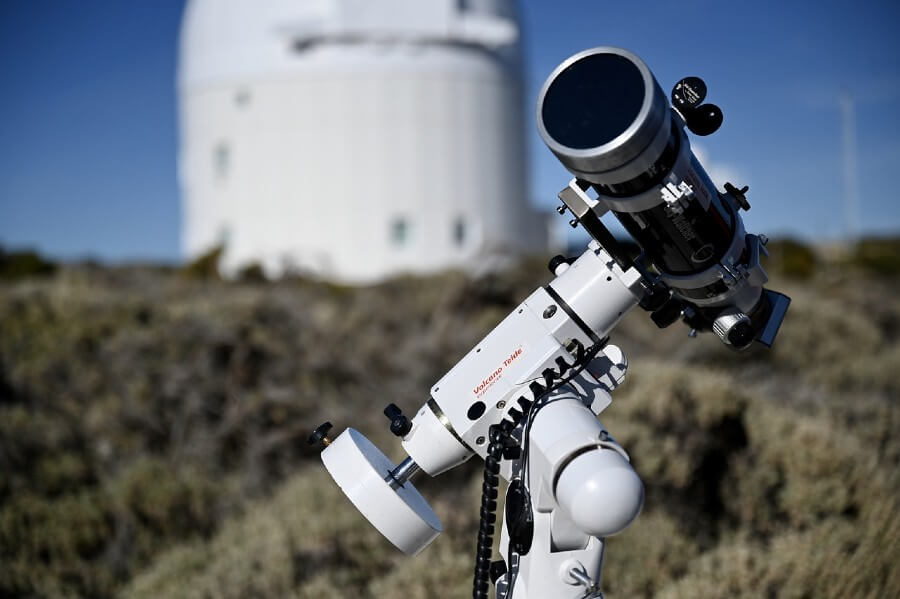
To ensure that these devices provide accurate results and do not induce distortions in the collected data, it is essential to characterize their spectral response. This is achieved in the laboratory by analyzing their transmittance using spectrophotometric techniques, determining how the filter interacts at selected wavelengths, or by performing analytical comparisons against reference sources.
To maintain optimal performance over time, it is essential to subject these filters to regular testing and verification to ensure they continue to meet their factory specifications. In testing laboratories, critical variables such as the light transmission profile and uniformity at different points of the material are rigorously evaluated, confirming the absence of any anomalous optical alterations. The thermal stability of the component is also examined in response to temperature fluctuations and its tolerance to direct ambient radiation. This allows us to verify whether the filter structure can withstand demanding environmental conditions without degradation.
If you wish to delve deeper into the technical aspects of these components, we invite you to consult our specialized article on solar eclipses, observation glasses and astronomy filters, where we analyze in detail the importance of its periodic testing.
Other essential security aspects
In addition to eye protection, we recommend consulting the official government platform. www.trioeclipses.es —coordinated by the Interministerial Commission together with Ministry of Health and the Center for Coordination of Health Alerts and Emergencies (CCAES) This platform also addresses safety from a comprehensive perspective, intertwining the health challenges of mass gatherings with environmental protection. Since the main events coincide with the height of summer, official guidelines emphasize the prevention of biological and climatic risks—such as heatstroke, ultraviolet radiation burns, disease transmission, and food safety issues—while simultaneously imposing strict environmental monitoring to preserve ecosystems and prevent forest fires through severe restrictions on the mass movement of fans to rural areas.
Eyco
As a testing and calibration laboratory specializing in the optical properties of materials, in Eyco We put all our analytical infrastructure and metrological expertise at the service of manufacturers and distributors. Our activity encompasses the performance of tests in glasses intended for direct observation of the Sun under the parameters of the standard EN ISO 12312-2: 2015, as well as the calibration of astronomy filters.
El Eyco team It has extensive experience in performing calibrations and tests adapted to both national regulations and international standards. Our laboratory has the ENAC accreditation most extensive in the optical field in Spain.
FAQ
Why is it dangerous to look at a solar eclipse without certified glasses?
Looking directly at the sun without adequate protection can cause irreparable damage to the retinaknown as solar retinopathy. The sun's ultraviolet and infrared radiation painlessly burns the eye's photosensitive cells, so the damage occurs without the person noticing any immediate discomfort.
What standard must eclipse glasses meet?
Glasses intended for direct observation of the sun must be rigorously tested and certified under international standards. ISO-12312 2: 2015 (Eye and face protection — Sunglasses and related equipment — Part 2: Filters for direct observation of the sun).
What properties does an optical laboratory evaluate in the testing of these glasses?
A specialized laboratory critically evaluates the optical transmittance of the filter to ensure it safely blocks intense visible light and harmful invisible radiation. The main parameters measured are:
- Ultraviolet (UV) transmittance: Strict blocking of UV-A and UV-B bands.
- Infrared (IR) transmittance: Drastic reduction of thermal radiation reaching the eye.
- Visible solar transmittance: Light dimming to allow comfortable viewing without glare.
- Filter uniformity: Verification that there are no optical variations or defects on the surface of the material.
What does the physical inspection and design of eclipse glasses involve?
In addition to optical tests in spectrophotometers, the standard requires a physical and design inspectionThis includes verifying that the frame provides sufficient coverage to prevent peripheral or stray light from entering the eyes, ensuring that the materials do not cause irritation, and checking that the frame of the glasses holds the filters firmly without risk of detachment.
Why trust Eyco for testing optical filters and eclipse glasses?
Eyco It is a leading expert laboratory in technical testing of optical properties and calibration of optical equipment. Performing tests under the ISO 12312-2:2015 standard in our facilities guarantees results with maximum precision, repeatability, and metrological traceability, allowing manufacturers and distributors to verify that their solar viewing glasses are 100% safe for historic events such as the upcoming Iberian Trio of Eclipses.